
Guide ultime pour circuler en vélo électrique sur le trottoir en toute sécurité
Vélos électriquesLes vélos électriques (VAE) deviennent rapidement un mode de transport privilégié pour les navetteurs, les cyclistes occasionnels et les aventuriers. Leur praticité, leur caractère écologique et l'assistance au pédalage qu'ils offrent les rendent particulièrement attractifs en milieu urbain dense. Avec l'essor des VAE, il devient essentiel de bien comprendre où et comment les utiliser. Une question fréquente concerne la sécurité à vélo électrique sur les trottoirs. Si cela peut paraître plus sûr que de rouler sur la chaussée, les trottoirs présentent des risques spécifiques et des problématiques juridiques particulières.
Ce guide complet vous aidera à comprendre les règles, les risques et les meilleures pratiques pour circuler en toute sécurité à vélo électrique sur le trottoir, que vous soyez débutant ou cycliste confirmé.
Est-il légal de circuler à vélo électrique sur le trottoir ?
Avant même d'envisager de circuler à vélo électrique sur le trottoir, il est essentiel de connaître la réglementation locale. La légalité de cette pratique varie considérablement selon l'endroit où vous vous trouvez.
Par exemple, en Californie, il est généralement interdit de circuler à vélo électrique sur les trottoirs, notamment dans les zones commerciales ou à forte circulation. À New York, la circulation des vélos électriques sur les trottoirs est également interdite, sauf autorisation expresse. D'autres villes peuvent autoriser la circulation sur les trottoirs sous certaines conditions.
Conseil : Consultez toujours le site web du ministère des Transports de votre ville ou de votre État ou les arrêtés municipaux pour vous assurer d'être en conformité. Circuler à vélo électrique sur le trottoir en toute sécurité commence par savoir si c'est autorisé.
Avantages et risques de la pratique du vélo sur les trottoirs
Comprendre les avantages et les inconvénients de la pratique du vélo sur les trottoirs vous aide à prendre des décisions éclairées.
Avantages
- Éviter la circulation automobile : Particulièrement utile pour les cyclistes débutants qui se sentent en insécurité sur les routes fréquentées.
- Commodité : Les trottoirs peuvent offrir un itinéraire plus direct dans les zones résidentielles ou périurbaines.
- Réduction du stress : Les trottoirs sont souvent perçus comme plus sûrs, surtout lorsque les routes sont encombrées ou dépourvues de pistes cyclables.
Risques
- Collisions de piétons : Les trottoirs sont conçus pour la circulation piétonne, pas pour les vélos, et les collisions avec des piétons peuvent causer des blessures aux deux parties.
- Visibilité réduite aux entrées de garage ou aux intersections :Les automobilistes ne s'attendent peut-être pas à voir des vélos circuler rapidement sur les trottoirs.
- Responsabilité légale : En cas d'accident, le cycliste peut être tenu pour responsable si la circulation sur le trottoir est interdite.
Selon la National Highway Traffic Safety Administration (NHTSA), la visibilité et le comportement du cycliste sont des facteurs déterminants dans les accidents impliquant des vélos électriques. Par conséquent, circuler en vélo électrique sur le trottoir en toute sécurité exige une vigilance et une prudence accrues.
Conseils de sécurité pour circuler en vélo électrique sur le trottoir en toute sécurité
Maintenant que vous connaissez les implications juridiques et pratiques, voici comment circuler à vélo électrique sur le trottoir en toute sécurité et de manière responsable.
Contrôlez votre vitesse
Les trottoirs ne sont pas faits pour la vitesse. Maintenez votre vitesse à vélo électrique entre 10 et 13 km/h lorsque vous circulez à proximité de piétons. Pour circuler en toute sécurité à vélo électrique sur le trottoir, adaptez votre allure à votre environnement.
Restez visible
Portez des vêtements de couleur vive, utilisez un phare blanc à l'avant et un feu rouge à l'arrière, même en plein jour. Les équipements réfléchissants augmentent votre visibilité, surtout près des intersections et des entrées de garage.
Utilisez une sonnerie ou un avertissement vocal
Avertissez toujours les piétons avant de les dépasser. Un simple coup de sonnette ou un « À votre gauche » permet d’éviter les surprises.
Restez à droite
Circulez à droite du trottoir, comme sur une chaussée ou une piste cyclable. Cela permet de fluidifier la circulation et de minimiser les conflits.
Scannez en permanence à l'avance
Faites attention aux enfants, aux animaux domestiques, aux entrées de garage et aux voitures qui sortent de la rue. Circuler à vélo électrique en toute sécurité sur le trottoir exige d'anticiper les changements soudains de votre environnement.
Freinage réactif
Assurez-vous que votre système de freinage est bien entretenu et réactif. L’état des trottoirs peut changer rapidement, et de bons freins sont essentiels pour éviter les collisions.
Quand et où il est plus sûr de rouler sur le trottoir
Bien que rouler à vélo électrique sur le trottoir ne soit pas idéal dans toutes les situations, il existe des moments où c'est acceptable, voire recommandé.
- Quartiers résidentiels :Des trottoirs larges et peu fréquentés peuvent offrir une alternative sûre aux routes étroites.
- Tôt le matin ou aux heures creuses : Lorsque la fréquentation piétonne est faible, faire du vélo peut être moins risqué.
- Mauvaises conditions météorologiques : Les routes mouillées ou verglacées peuvent inciter certains cyclistes à se rabattre sur le trottoir par mesure de sécurité ; ralentissez alors considérablement.
N'oubliez pas que, pour circuler en toute sécurité à vélo électrique sur le trottoir, il faut être courtois et céder le passage à tous les piétons, peu importe l'heure ou l'endroit.
De meilleures alternatives à la circulation sur les trottoirs
Plutôt que d'emprunter systématiquement les trottoirs, considérez ces alternatives plus sûres et plus efficaces :
- Pistes cyclables dédiées : De nombreuses villes développent leurs infrastructures cyclables protégées.
- Routes résidentielles à vitesse réduite :Ces aménagements permettent de réduire la vitesse des véhicules et peuvent être plus sûrs que les trottoirs.
- Applications de cyclisme : Utilisez des applications comme Komoot, Strava ou le mode vélo de Google Maps pour trouver des itinéraires sûrs et adaptés aux cyclistes.
Ces solutions alternatives réduisent les conflits avec les piétons tout en vous permettant de bénéficier d'un trajet plus fluide et souvent plus rapide.
Équipement recommandé pour circuler en toute sécurité sur les trottoirs
Un équipement approprié peut améliorer votre capacité à circuler en toute sécurité sur le trottoir avec votre vélo électrique.
- Casque : Portez toujours un casque, même pour les courts trajets ou dans les zones à faible vitesse.
- Cloche ou corne :Un signal sonore et clair avertit les piétons et évite les collisions.
- Lumières : Installez des feux avant et arrière, même en plein jour, pour rester visible.
- Miroirs : Les rétroviseurs de guidon ou de casque peuvent vous aider à surveiller votre environnement.
- Pneus : Choisissez des pneus résistants aux crevaisons, adaptés à toutes les conditions météorologiques et offrant une bonne adhérence pour éviter les glissades sur les surfaces irrégulières.
Investir dans le bon équipement améliore non seulement la sécurité, mais aussi votre expérience de conduite globale.
Conclusion
Circuler en vélo électrique sur le trottoir en toute sécurité ne se résume pas à garder l'équilibre : il s'agit de respecter les piétons, de suivre le code de la route et de rester attentif à son environnement. Si les trottoirs peuvent sembler plus sûrs, ils présentent des défis spécifiques qui exigent une conduite responsable. En maîtrisant votre vitesse, en utilisant l'équipement adéquat et en restant vigilant, vous pouvez rendre chaque trajet plus sûr pour vous et pour les autres.
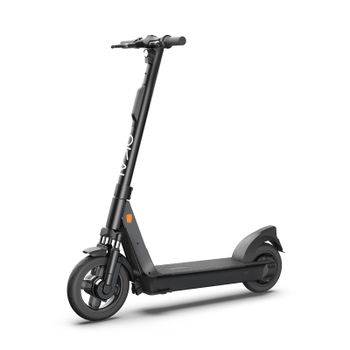
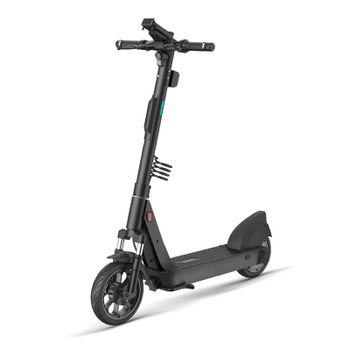
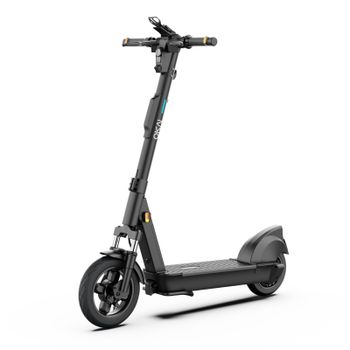
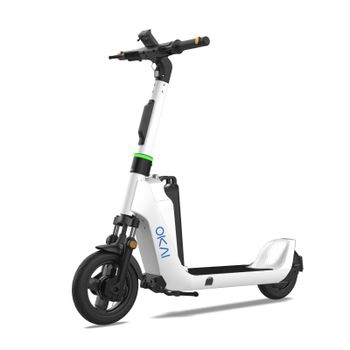
Si vous recherchez des solutions de vélos électriques fiables et de haute qualité pour la mobilité urbaine, RAISONS propose des modèles intelligents et robustes, reconnus dans le monde entier. Idéaux pour les flottes partagées, les services de livraison ou le transport d'entreprise, nos vélos électriques allient design élégant, technologie de pointe et performance au quotidien. Visitez le site web de RAISONS pour découvrir nos dernières offres et voir comment nous pouvons répondre à vos besoins en matière de mobilité.

Téléphone : 1-800-660-3498
E-mail:
nihao@okai.co
(pour les affaires)
b2bsupport@okai.co
(pour l'assistance technique)
Copyright © 2023 OKAI. Tous droits réservés.