
Conseils pour charger correctement la batterie de votre trottinette électrique
De bonnes habitudes de recharge sont essentielles pour préserver la santé de la batterie de votre trottinette électrique, prolonger sa durée de vie et garantir des performances fiables. De nombreux propriétaires de trottinettes électriques se posent des questions telles que : comment recharger une trottinette électrique ? ou comment savoir si ma trottinette est en charge ? Les réponses peuvent faire toute la différence entre une trottinette qui dure des années et une autre qui s’use prématurément.</p>
Dans ce guide, nous explorerons les meilleures pratiques pour recharger les batteries de trottinettes électriques, les erreurs courantes à éviter et comment optimiser leur autonomie pour les trajets quotidiens ou les longs trajets. Grâce aux bonnes techniques, les utilisateurs pourront profiter d'une conduite plus fluide et d'une durée de vie de la batterie prolongée.
Comment se rechargent les trottinettes électriques ?
Comprendre le fonctionnement de la charge des trottinettes électriques est la première étape pour un bon entretien de la batterie. La plupart des trottinettes électriques utilisent des batteries lithium-ion, qui se chargent grâce à un chargeur régulé convertissant le courant alternatif d'une prise murale en courant continu adapté à la batterie. Lorsque vous branchez votre trottinette, le chargeur communique avec le système de gestion de la batterie (BMS) pour garantir :
- Niveaux de tension sûrs : Prévenir la surcharge ou la sous-charge.
- Surveillance de la température : Protection contre la surchauffe pendant la charge.
- Flux de courant contrôlé : Garantir un transfert d'énergie constant pour une santé optimale de la batterie.
Savoir cela vous aide à comprendre pourquoi le respect des consignes du fabricant est essentiel pour la longévité et la sécurité.
Comment savoir si ma trottinette électrique est en charge ?
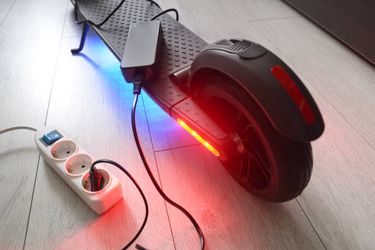
De nombreux utilisateurs se demandent comment savoir si leur trottinette électrique se recharge correctement. Les indicateurs varient selon le modèle, mais les signes courants incluent :
- Lumières LED sur le scooter ou le chargeur : Un voyant rouge indique souvent la charge, tandis qu'un voyant vert ou bleu peut signaler une charge complète.
- Affichage du tableau de bord : Les scooters de pointe affichent le pourcentage de batterie qui augmente en temps réel.
- Alertes sonores :Certains scooters émettent un bip ou une vibration pour confirmer la connexion.
Pour des performances optimales, utilisez toujours le chargeur d'origine fourni avec votre scooter. Les chargeurs tiers peuvent ne pas communiquer correctement avec le système de gestion de la batterie, ce qui peut entraîner une charge incomplète ou dangereuse.
Conseils pour recharger les batteries de scooters électriques
Une technique appropriée est essentielle pour un entretien sûr et efficace des batteries. Voici quelques conseils clés pour charger les batteries de scooters électriques :
Rechargez après chaque trajet
Évitez de laisser la batterie se décharger complètement. Des recharges fréquentes permettent de préserver la santé des cellules lithium-ion et de réduire les contraintes lors des décharges profondes.
Utilisez le chargeur d'origine
Utilisez toujours le chargeur fourni par le fabricant, car il est spécifiquement conçu pour correspondre à la tension, à l'ampérage et aux protocoles de communication du BMS de votre scooter.
Charger dans un endroit frais et sec
La chaleur peut réduire la durée de vie de la batterie ; évitez donc de la recharger en plein soleil ou à proximité de sources de chaleur. Un environnement à température ambiante garantit un transfert d’énergie plus sûr et plus efficace.
Évitez de recharger pendant la nuit</p>
Bien que les batteries lithium-ion soient généralement sûres, une charge prolongée peut légèrement solliciter les cellules. Surveillez votre scooter et débranchez-le une fois la charge complète.</p>
Vérifiez le niveau de la batterie avant de rouler
Connaître le pourcentage de votre batterie avant de partir permet d'éviter les pannes de courant inattendues. La plupart des scooters modernes affichent l'état de la batterie sur le tableau de bord ou via des indicateurs LED.
Gardez vos lentilles propres
Assurez-vous que les ports de chargement sont exempts de poussière, de saleté et d'humidité afin d'éviter les problèmes de connexion ou les courts-circuits.
Erreurs de facturation courantes à éviter
Même les utilisateurs expérimentés font parfois des erreurs lors de la recharge des batteries de trottinettes électriques. Évitez ces pièges :
- Utiliser le mauvais chargeur : Peut provoquer une surtension ou une sous-charge.
- Chargement sur des surfaces inflammables : Les batteries peuvent chauffer pendant la charge, placez donc la trottinette sur une surface incombustible.
- Ignorer les signes de dommages à la batterie : Ne pas recharger les batteries gonflées ou qui fuient.
- Recharge par températures extrêmes : Évitez de recharger par temps glacial ou excessivement chaud, car cela peut réduire la capacité de façon permanente.
Comment recharger les batteries de votre trottinette électrique en toute sécurité
La sécurité doit toujours primer lorsqu'on apprend à recharger les batteries d'une trottinette électrique. Suivez ces bonnes pratiques :
1. Inspectez régulièrement la batterie
Vérifiez l'absence de fissures, de gonflements ou de fuites avant chaque charge. Tout dommage doit être traité immédiatement.
2. Chargez lentement pour une plus grande longévité
Utiliser un chargeur à faible ampérage prolonge la durée de vie de la batterie par rapport à une charge rapide systématique.
3. Stockez les piles partiellement chargées
Si vous prévoyez de ranger votre scooter pendant une longue période, maintenez la batterie chargée entre 50 et 70 % afin de minimiser sa dégradation.
4. Suivez les directives du fabricant
Consultez toujours le manuel d'utilisation pour connaître les cycles de charge recommandés, les plages de tension et les conseils de sécurité.
Comprendre l’autonomie de la batterie de votre trottinette</p>
Savoir comment recharger une trottinette électrique et comment l'entretenir peut avoir un impact direct sur les performances quotidiennes :
- Cycle de vie :Les batteries lithium-ion durent plus longtemps si elles ne sont pas complètement déchargées et sont chargées régulièrement.
- Les frais partiels sont avantageux : Des recharges courtes et fréquentes sont préférables à des cycles de recharge complets pour prolonger la durée de vie globale.
- Sensibilité à la température : Évitez les charges rapides par forte chaleur afin de prévenir la dégradation thermique.
En tenant compte de ces facteurs, les cyclistes optimisent la disponibilité de leur véhicule et réduisent le risque de panne de batterie.
Conseils avancés pour la recharge
Pour les cyclistes férus de technologie, voici quelques astuces avancées pour optimiser l'autonomie de la batterie :
1. Utilisez des chargeurs intelligents : De nombreux chargeurs peuvent communiquer avec la batterie pour ajuster dynamiquement le flux de courant.
2. Suivre la charge via l'application :Certaines trottinettes sont dotées d'applications associées permettant de suivre l'état de la batterie et de vous avertir lorsque la charge est terminée.
3. Évitez d'utiliser la trottinette pendant la charge :Cela peut entraîner une surchauffe de la batterie ou une réduction de son efficacité.
4. Maintenez une routine de recharge : Une charge régulière et prévisible permet de maintenir la stabilité chimique de la batterie au fil du temps.
Signes indiquant que votre batterie a besoin d'attention
Même avec une charge soignée, les batteries peuvent se dégrader. Voici quelques signes à surveiller :
- Déclin rapide de la portée : Votre scooter ne parcourt plus aussi loin qu'avant.
- Charge lente : La batterie met beaucoup plus de temps à se charger complètement.
- Surchauffe : Chaleur excessive pendant la charge ou l'utilisation.
- Arrêts inattendus : La trottinette s'éteint subitement même lorsque la batterie est chargée.
Reconnaître ces problèmes à temps vous permet d'agir, d'éviter des dommages permanents et de garantir la sécurité de vos trajets.
Questions fréquemment posées
Comment savoir si ma trottinette électrique est en charge ?
Vérifiez les indicateurs LED, les informations du tableau de bord ou les notifications de l'application. Les voyants rouges ou clignotants indiquent généralement une charge en cours, tandis que les voyants verts indiquent une charge complète.
Puis-je recharger ma trottinette pendant la nuit ?
Cela ne pose généralement pas de problème pour les batteries lithium-ion modernes, mais il est préférable de surveiller la charge et de débrancher la batterie lorsqu'elle est pleine afin d'optimiser sa durée de vie.
Combien de temps faut-il pour une charge complète ?
Le temps de charge typique varie de 4 à 8 heures selon la capacité de la batterie, la puissance du chargeur et l'état de la batterie.
La charge partielle est-elle nocive ?
Non — les batteries lithium-ion fonctionnent mieux avec des charges partielles fréquentes qu'avec des cycles de charge et de décharge profonds.
Conclusion
Les bonnes techniques de charge sont essentielles pour la sécurité, les performances et la durée de vie de la batterie de votre trottinette électrique. Savoir comment charger les batteries, reconnaître les indicateurs (comme celui de la charge) et suivre les instructions du fabricant vous garantissent des trajets fluides et fiables.
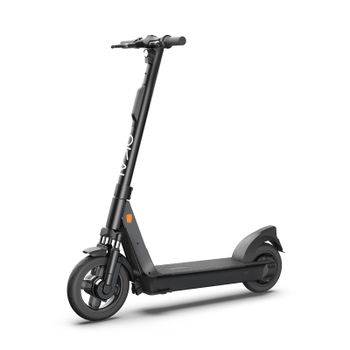
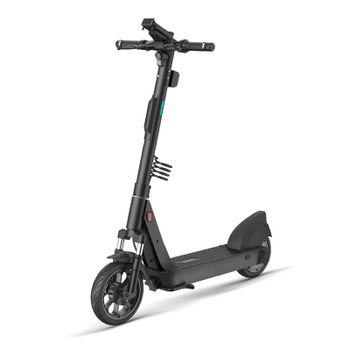
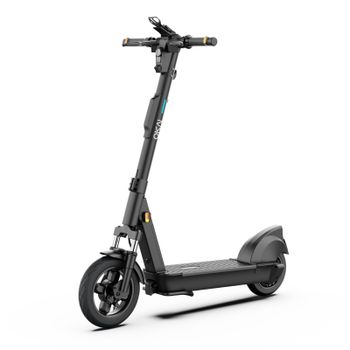
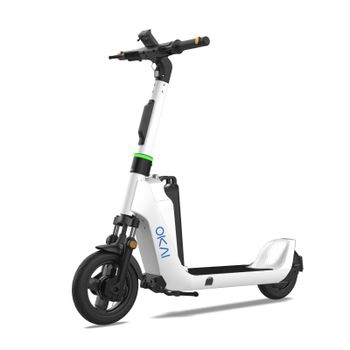
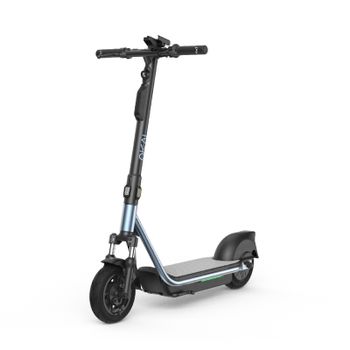
Des modèles de haute qualité comme le Trottinette électrique OKAI Simplifiez le processus grâce à des systèmes de batterie durables, une recharge intuitive et un design moderne. En adoptant de bonnes habitudes de recharge, vous profiterez de performances constantes, d'une durée de vie prolongée de la batterie et de trajets en toute sécurité, pour une expérience de trottinette électrique agréable et sans stress.

Téléphone : 1-800-660-3498
E-mail:
nihao@okai.co
(pour les affaires)
b2bsupport@okai.co
(pour l'assistance technique)
Copyright © 2023 OKAI. Tous droits réservés.