
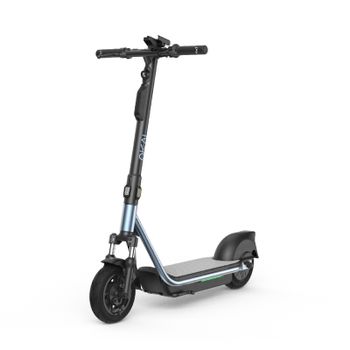

Les vélos électriques consomment-ils beaucoup d'électricité ?
Les vélos électriques révolutionnent nos déplacements quotidiens et nos balades de loisirs. Ils offrent une alternative écologique aux véhicules à essence traditionnels, mais beaucoup s'interrogent sur leur consommation d'énergie. Les vélos électriques consomment-ils beaucoup d'électricité ? Dans cet article, nous explorerons cette question en détail, en nous penchant sur la consommation d'énergie des vélos électriques, les facteurs qui l'influencent et en la comparant à celle d'autres modes de transport.
Comprendre la consommation d'énergie des vélos électriques
Pour comprendre la consommation électrique d'un vélo électrique, il est essentiel de comprendre son fonctionnement de base. Les vélos électriques sont équipés d'un moteur électrique et d'une batterie. Le moteur assiste le pédalage du cycliste, facilitant ainsi les montées et les longs trajets. La batterie alimente le moteur et doit être rechargée après utilisation.
Facteurs clés influençant la consommation d'électricité des vélos électriques
Plusieurs facteurs influencent la quantité d'électricité consommée par un vélo électrique :
Capacité de la batterieMesurée en wattheures (Wh), cette capacité indique la quantité d'énergie que la batterie peut stocker. Les batteries de plus grande capacité, avec un indice Wh plus élevé, peuvent stocker davantage d'énergie, offrant une plus grande autonomie, mais consomment également plus d'électricité pour être rechargées.
Puissance du moteurLa puissance du moteur, généralement mesurée en watts (W), influe sur la quantité d'électricité consommée. Les moteurs plus puissants peuvent fournir une assistance plus importante, mais peuvent aussi décharger la batterie plus rapidement.
Style de conduite: Votre façon de conduire votre vélo électrique a une incidence importante. L'utilisation fréquente des niveaux d'assistance les plus élevés, les accélérations rapides et les vitesses élevées augmentent la consommation d'électricité.
Terrain et conditions: Un terrain vallonné, des vents contraires et des conditions hors route sollicitent davantage le moteur, ce qui entraîne une consommation d'énergie plus élevée que sur des routes plates et lisses.
Poids du cycliste: Les cyclistes plus lourds nécessitent une assistance moteur plus importante, et consomment donc plus d'électricité.
Quelle quantité d'électricité consomment les vélos électriques ?
La consommation électrique des vélos électriques est généralement mesurée en wattheures par kilomètre (Wh/km). En moyenne, un vélo électrique consomme environ 100 wattheures par kilomètre.vélo électrique consomme environ 20 à 30 Wh/mile. Pour vous donner une idée, si vous parcourez 20 miles, votre vélo électrique consommera environ 400 à 600 Wh d'électricité.
Comment maximiser l'efficacité et réduire la consommation d'énergie</p>
Bien que les vélos électriques soient déjà un mode de transport très efficace, voici quelques conseils pour vous aider à tirer le meilleur parti de l'énergie de votre vélo :
Pédalez plus, utilisez moins d'énergie : plus vous pédalez, moins vous solliciterez le moteur. En maintenant un rythme régulier et en utilisant le moteur comme assistance plutôt qu'en pleine accélération, vous pouvez augmenter l'autonomie de votre vélo électrique.
Maintenir une pression appropriée des pneusDes pneus sous-gonflés peuvent augmenter la friction et la résistance, ce qui oblige le moteur à travailler davantage. Maintenir vos pneus correctement gonflés permet de réduire la consommation d'énergie.
Choisissez le bon modeLa plupart des vélos électriques proposent plusieurs modes d'assistance (éco, normal, turbo). Utiliser le mode éco vous permettra de préserver l'autonomie de la batterie et de prolonger votre trajet.
Évitez les démarrages et arrêts fréquents: Une conduite souple et régulière est plus économe en énergie que des accélérations soudaines ou des freinages fréquents.
Comparaison de la consommation électrique des vélos électriques à celle d'autres appareils
Pour vous donner une meilleure idée de la quantité d'électricité que cela représente, comparons-la à quelques appareils ménagers courants :
- Ampoule LED : Une ampoule LED de 10 W consomme 10 Wh par heure d’utilisation. Ainsi, parcourir 32 km à vélo électrique équivaut approximativement à laisser une ampoule LED de 10 W allumée pendant 40 à 60 heures.
- Ordinateur portable : Un ordinateur portable classique consomme environ 50 Wh/heure. Ainsi, un trajet de 32 km à vélo électrique consomme autant d’électricité que l’utilisation d’un ordinateur portable pendant 8 à 12 heures.
- Réfrigérateur : Un réfrigérateur standard consomme environ 150 Wh/heure. Ainsi, parcourir 32 km à vélo électrique consomme moins d’électricité que de faire fonctionner un réfrigérateur pendant environ 4 heures.
Impact environnemental et économies de coûts
L'un des principaux avantages des vélos électriques réside dans leur impact environnemental minimal comparé aux voitures et aux motos. Alors que les voitures émettent des quantités importantes de CO2 et d'autres polluants, les vélos électriques ne produisent aucune émission en fonctionnement. L'électricité qu'ils utilisent peut provenir d'énergies renouvelables, réduisant ainsi davantage leur empreinte carbone.
En termes de coût, les vélos électriques sont incroyablement économiques. Recharger la batterie d'un vélo électrique coûte généralement moins de 0,10 $, selon le tarif local de l'électricité. Sachant que l'autonomie moyenne d'un vélo électrique est d'environ 65 kilomètres par charge, cela représente moins de 0,005 $ par kilomètre, soit une fraction du coût d'un trajet en voiture.
Conseils pour réduire la consommation d'électricité de votre vélo électrique
Si vous souhaitez minimiser la consommation d'électricité de votre vélo électrique, voici quelques conseils pratiques :
- Optimisez les niveaux d'assistance : utilisez les niveaux d'assistance les plus faibles autant que possible. Réservez les niveaux les plus élevés pour les pentes raides ou les conditions difficiles.
- Entretien de votre vélo électrique : Un entretien régulier garantit le bon fonctionnement de votre vélo électrique. Vérifiez la pression des pneus, nettoyez la chaîne et assurez-vous que le moteur et la batterie sont en bon état.
- Planifiez vos itinéraires : Choisissez des itinéraires plus plats et plus lisses pour réduire la sollicitation du moteur. Évitez les itinéraires à forte circulation qui nécessitent des arrêts et des redémarrages fréquents.
- Conduite efficace : Maintenez une allure constante et évitez les accélérations brusques. Les augmentations progressives de vitesse consomment moins d’énergie.
Comparaison des vélos électriques avec d'autres modes de transport
Lorsqu'on compare les vélos électriques à d'autres formes de transport, leurs avantages deviennent encore plus évidents :
VoituresMême les voitures les plus économes en carburant consomment beaucoup plus d'énergie et produisent plus d'émissions que les vélos électriques. Le coût du carburant et de l'entretien des voitures dépasse également largement celui des vélos électriques.
Transports en commun: Bien que les bus et les trains soient plus écologiques que les voitures, ils dépendent encore des énergies fossiles dans de nombreuses régions. Les vélos électriques offrent une alternative zéro émission, notamment pour les trajets courts.
Vélos traditionnels: Alors que les vélos traditionnels n'utilisent pas du tout d'électricité, les vélos électriques rendent le cyclisme accessible à un plus grand nombre de personnes, y compris celles qui pourraient trouver le vélo classique trop éprouvant en raison de limitations physiques ou de longues distances.
L'avenir des vélos électriques
Avec les progrès technologiques, les vélos électriques deviennent encore plus performants. Les innovations en matière de batteries permettent d'accroître leur autonomie et de réduire le temps de charge. Des bornes de recharge solaires sont en cours de développement, ce qui permet de recharger son vélo électrique grâce à des sources d'énergie renouvelables. De plus, la popularité croissante des vélos électriques incite les villes à développer de meilleures infrastructures cyclables, favorisant ainsi leur utilisation.
Conclusion
Vélos électriquesLes vélos électriques consomment peu d'électricité, surtout comparés à d'autres appareils ménagers et modes de transport. Leur consommation d'énergie est minimale, ce qui en fait une option écologique et économique pour les trajets domicile-travail et les balades. En comprenant les facteurs qui influencent la consommation d'électricité et en adoptant des pratiques de conduite efficaces, vous pouvez optimiser l'utilisation de votre vélo électrique tout en minimisant sa consommation d'énergie.

Téléphone : 1-800-660-3498
E-mail:
nihao@okai.co
(pour les affaires)
b2bsupport@okai.co
(pour l'assistance technique)
Copyright © 2023 OKAI. Tous droits réservés.